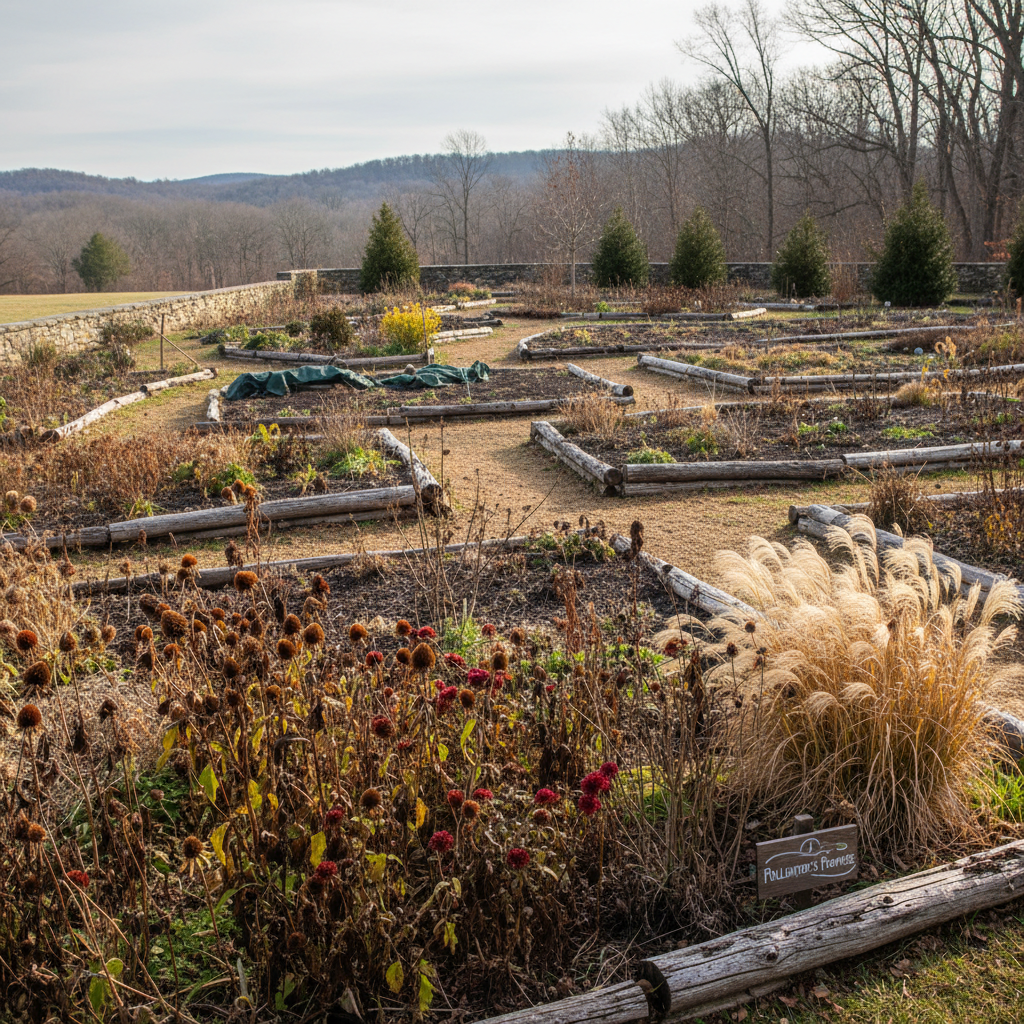
Native Pollinators Zone Mapping: Winter Beginner Plans
Imagine this: It's a crisp winter day. You're sipping hot tea by the window, gazing at your bare yard or small farm plot. Last summer, your veggies struggled without enough pollinators. You know native pollinators could change that, but planting blindly feels overwhelming.
Winter is your secret weapon. With no leaves or blooms distracting you, it's perfect for mapping permaculture zones tailored to native pollinators. No digging required—just smart planning. You'll create a design that draws in bees, butterflies, and more, stacking functions for food, beauty, and biodiversity.
This solves the beginner trap: rushing into spring without a plan. By zoning now, you prioritize high-impact spots closest to your home. Your efforts multiply, aligning with permaculture ethics like earth care and people care. Ready to turn winter downtime into pollinator paradise?
Why Native Pollinators Matter in Permaculture Zones
Native pollinators—like bumblebees (Bombus spp.), solitary bees, butterflies, and hoverflies—are powerhouses in permaculture. Unlike managed honeybees, they're adapted to your local ecosystem. They pollinate 80% of flowering plants, boosting yields of fruits, veggies, and herbs.
In permaculture, zones organize your design by use frequency. Zone 1 (daily access near your door) gets intensive care. Zone 5 (wild edges) runs on natural processes. Mapping native pollinators here applies the "observe and interact" principle. You see your site's true bones: sun paths, wind corridors, wet spots.
Why winter? Distractions vanish. You plan succession—early bloomers for spring bees, late ones for fall butterflies. This stacks functions: pollinators feed crops while habitats build soil and sequester carbon. It's fair share in action, supporting declining populations.
Beginners thrive here. Small changes in each zone yield big results. Your homestead or suburban plot becomes a resilient haven, cutting store-bought food reliance.
Winter Site Observation: Your First Mapping Step
Start with observation—the heart of permaculture. Grab paper, pencil, and clipboard. Dress warm and walk your site daily for a week.
Note basics:
- Boundaries: Fences, roads, neighbors.
- Sun and shadow: Track winter solstice sun (low angle). Mark warm south-facing spots for early pollinators.
- Water flow: Snowmelt reveals swales or puddles—ideal for mud-nesting bees.
- Wind patterns: Flags or smoke show corridors; plant windbreaks in Zone 2.
Sketch a base map. Use graph paper for scale (1 inch = 10 feet). Outline house, paths, existing trees. Label potential zones:
| Zone | Distance from House | Pollinator Fit | |------|---------------------|---------------| | 1 | Steps away | Pots, herbs | | 2 | Daily garden | Guilds, borders | | 3 | Weekly check | Orchards | | 4 | Occasional | Pasture edges| | 5 | Wild | Meadow |
This reveals edges—pollinator hotspots where zones meet. Edges create microclimates for diverse natives. Spend 30 minutes daily; patterns emerge.
Action tip: Photograph quadrants from your door. Print and layer sketches. You're building a living map.
Researching Native Pollinators and Host Plants
Know your locals before designing. Native pollinators vary by region—think mason bees (Osmia spp.) in the West, sweat bees (Halictus spp.) everywhere.
Steps:
- Contact experts: Local extension service or native plant society. Free lists of your area's stars.
- Field guides: "Attracting Native Pollinators" by Xerces Society—gold standard.
- Apps/Online: iNaturalist for observations near you.
Match pollinators to plants. Nectar all season:
- Spring: Willows (Salix spp.), maples (Acer spp.) for early bees.
- Summer: Milkweed (Asclepias syriaca), coneflowers (Echinacea purpurea), bee balm (Monarda fistulosa).
- Fall: Asters (Symphyotrichum spp.), goldenrods (Solidago spp.) for butterflies.
Host plants for larvae: Fennel (Foeniculum vulgare) for swallowtails, oaks (Quercus spp.) for moths. Prioritize natives—80% better for locals.
Winter task: List 10-20 plants per season. Note heights, sun needs, zone fit. This applies "use and value diversity."
Pro tip: Check invasives. Skip non-natives like butterfly bush; they starve specialists.
Zone 1: Close-Up Pollinator Havens for Daily Joy
Zone 1 is your doorstep—veggie beds, pots, paths. High traffic means easy monitoring.
Design ideas:
- Containers: Cluster pots with dwarf natives like mountain mint (Pycnanthemum spp.). Stack vertically for space.
- Window boxes: Early bloomers like pussy willow twigs force blooms indoors, then plant out.
- Path edges: Creeping phlox (Phlox subulata)—low, bee magnet.
Stack functions: Pollinators boost nearby tomatoes, herbs. Add bee hotels from drilled wood—solitary bees nest here.
Winter plan:
- Sketch Zone 1 overlay on base map.
- List 5 plants: sun/shade tolerant.
- Plan succession: Spring squill to fall sedum.
This builds people care—watching bees from your kitchen.
Zone 2: Productive Pollinator Guilds
Zone 2 expands to orchards, annual beds. Weekly visits allow perennials.
Guild example: Fruit tree understory with natives.
- Central: Apple tree.
- Pollinator layer: Black-eyed Susan (Rudbeckia hirta), lavender (Lavandula spp.—if native-adapted).
- Groundcover: Strawberry (Fragaria vesca native types).
Edges shine: Hedge rows with serviceberry (Amelanchier spp.)—bird/pollinator buffet.
Apply succession: Plant bulbs now for spring (crocus for bees). Mulch heavily; worms attract ground-nesters.
Winter mapping:
- Measure paths to Zone 2 (under 50m).
- Inventory soil: Clay? Add natives like Joe-Pye weed (Eutrochium purpureum).
- Draw guilds: Circles overlapping food plants.
Yields soar—pollinators ensure 30% more berries.
Zones 3-5: Scaling to Wild Pollinator Strongholds
Zone 3: Larger orchards, ponds. Plant shrubs like elderberry (Sambucus spp.) for berries/bees.
Zone 4: Pastures, woods. Edges with sumac (Rhus spp.)—pioneer for moths.
Zone 5: Hands-off wilderness. Let it be, or seed natives like little bluestem (Schizachyrium scoparium). Observe invasives to manage lightly.
Principle: Relative location. Link zones with corridors—wildflower strips.
Winter audit:
- Walk outer zones; note invasives, dead wood (habitat!).
- Map water features—frog ponds draw hoverflies.
- Plan edges: 10x more habitat.
This catches energy: Pollinators from Zone 5 spill into crops.
Stacking Functions and Permaculture Integration
Permaculture shines in integration. Pollinator mapping isn't separate—it's woven.
Stack functions:
- One plant (bee balm) attracts pollinators, repels pests, medicinally useful.
- Bee hotels store energy (nest sites) while educating kids.
Edges: Zigzag beds multiply interfaces. Plant Solidago there.
Succession: Year-round food—pussytoes (Antennaria spp.) for spring, ironweed (Vernonia spp.) for fall.
Observe yearly: Adjust map based on who shows up.
Winter bonus: Design swales capturing runoff for moist bee habitats.
Key Takeaways
- Winter is prime for native pollinators zone mapping—observe bare site for true patterns.
- Use permaculture zones 1-5 to prioritize: pots in 1, wild meadows in 5.
- Research locals: Match Bombus spp. with Asclepias, Echinacea.
- Stack functions and edges for max biodiversity and yields.
- Sketch base map now; list plants by season and zone.
- Celebrate small wins—your first bumblebee signals success.
Next Steps
- Today: Walk site, sketch base map (30 mins).
- This week: Research 20 native plants/pollinators.
- By month's end: Overlay zones, plan one guild per zone.
- Spring: Source seeds/plugs from natives nurseries.
Your permaculture journey buzzes ahead. Share progress in comments!
Curated by
Daniel Crawford
Regenerative Systems Designer